

No one wants to take risks with their home and hard-earned money. But that’s exactly what happens when you hire the wrong bathroom contractor.
Your bathroom remodel represents months of planning and a serious financial commitment. The contractor you pick determines whether you’ll love the results or spend years regretting crooked tiles and leaky fixtures. A poor choice can add unnecessary costs and stretch a 4-week project into 3 months.
That’s too much to risk on guesswork. This guide breaks down exactly how to hire a bathroom remodeling contractor who delivers quality work on time and within budget. Let’s get started.
How to Hire a Bathroom Remodeling Contractor
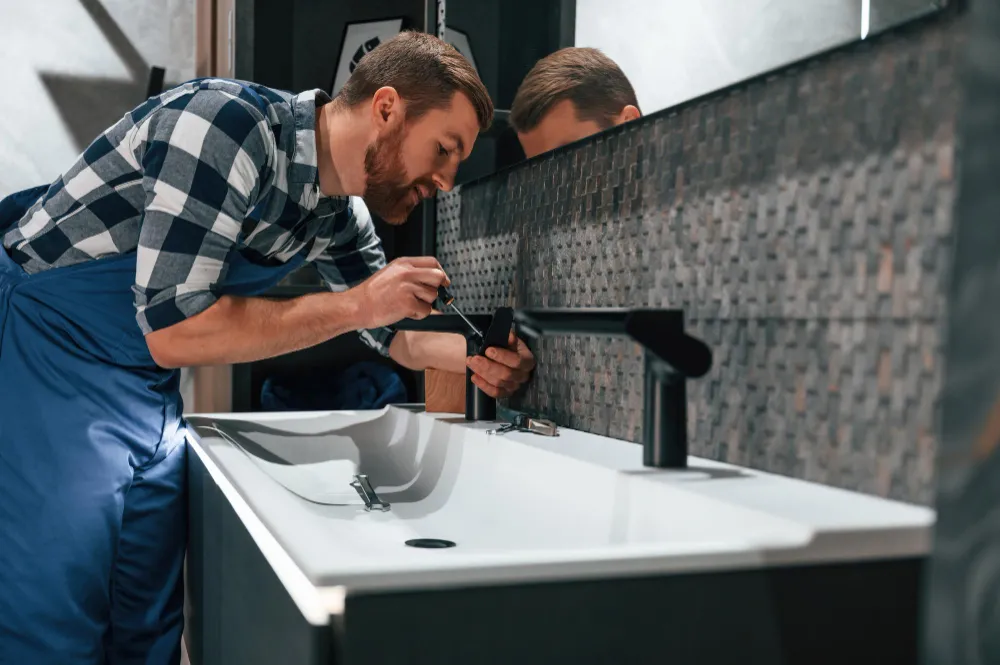
Smart hiring starts with how to choose a bathroom remodeling contractor and which questions to ask.
Step 1: Interview More Than One Contractor and Compare Them
Set up meetings with at least three different contractors. It will not be just about getting three quotes, but you will compare:
- Work styles
- Expertise levels
- How well the contractors communicate
It becomes easier to find bathroom remodel contractor when you match their skills to your project type.
During your first conversation, dig into their experience with bathrooms. Each contractor brings different design perspectives and pricing structures. So, during interviews, ask about their experience with projects similar to yours.
Pay attention to response time, too. If they take three days to return your initial call, expect the same delays during your project.
Step 2: Check Qualification and Past Work Experience
Photos can be deceiving, so look deeper than the perfect portfolio shots.
When a contractor shows you completed bathrooms, zoom in on the grout lines between tiles and see:
- Are they consistent in width (typically 1/8″ to 1/4″)?
- Do corners meet at perfect 90-degree angles?
These small details help you distinguish skilled craftsmen from rushed workers. You can also check whether a contractor belongs to professional organisations such as the NKBA (National Kitchen and Bath Association) or NARI (National Association of the Remodeling Industry). Membership in these organisations requires ongoing fees and training, which shows a commitment to professional standards and quality workmanship.
Bathroom renovations can get complicated quickly. For example, once the old tub is removed, the floor joists may reveal hidden rot. So make sure to ask your contractors questions like, “What’s the strangest problem they have discovered mid-project, and how did they rectify it?” Their response will show how well they handle unexpected issues.
Step 3: Get Written Estimates and Compare Details
Always ask for written estimates, not verbal ones. Written documents prevent confusion and protect both you and the contractor if issues come up later.
A clear, written contract protects both you and the contractor if issues come up later. A good estimate clearly itemises labor and materials, with each task explained rather than grouped into vague categories. This clarity helps you understand exactly what you are paying for and makes it easier to compare contractors fairly.
The estimate should also include a clear project timeline. It needs to show:
- When the work will start
- How the project will move through each phase
- When it is expected to be completed
For a detailed look at what affects project duration, see our guide on how long a bathroom remodel takes.
Do not automatically choose the lowest estimate. Always compare and go for the one who has a better track record.
Look closely for additional items such as permits and waste removal. These costs should be clearly listed, so there are no surprises later.
Finally, review the payment structure. Tie payments to project milestones rather than paying large sums upfront. A balanced payment schedule often reflects a contractor who manages their business professionally.
Step 4: Review the Bathroom Remodeling Contract
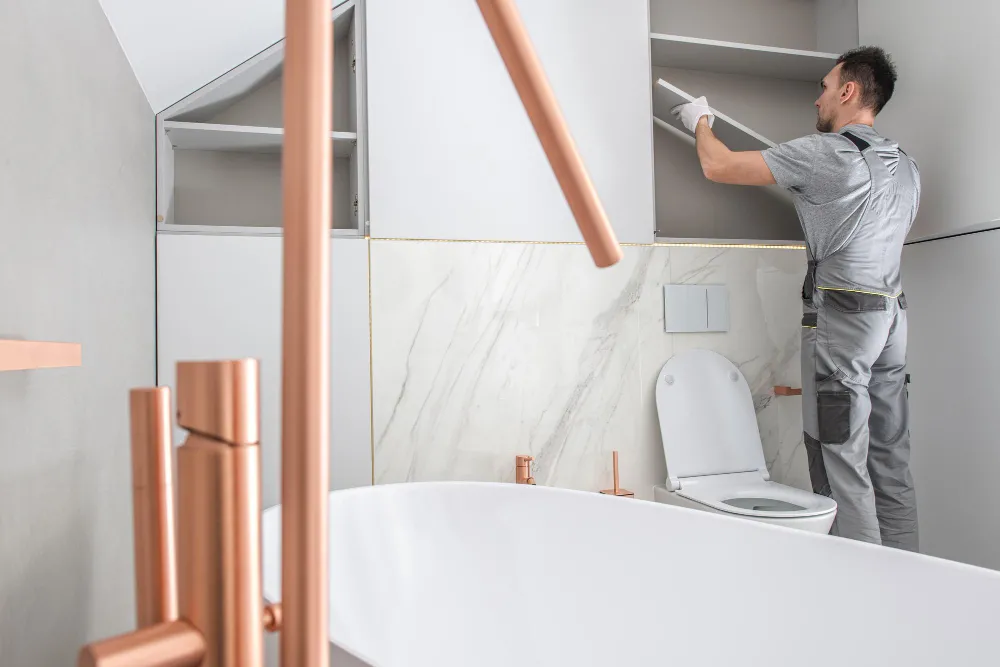
A well-written contract protects both you and the contractor. Before signing, read every section carefully and make sure nothing important is left open to interpretation.
The scope of work should clearly explain what will be removed, what will be installed, and how far each part of the work goes.
Material selections also need to be written clearly. Every major fixture and finish should be listed by brand and model. If substitutions are ever needed, the contract should require your approval first.
The timeline matters just as much. The contract should outline the expected completion window and explain how delays are handled. This helps keep the project moving and avoids last-minute disputes.
Warranty coverage should be included as well. You should know how long workmanship is guaranteed and how product warranties are handled. Finally, the contract must explain how changes are made, including how extra work is approved and priced.
Step 5: Verify Licenses and Insurance
Before starting the project, make sure the contractor is properly licensed for bathroom remodeling in your area. In North Carolina, general contractors must hold a state license for projects over $30,000. You can verify any contractor’s status through the NC Licensing Board. AG-CM holds NC General Contractor License #100043.
Insurance and bonding are essential for your protection. The best contractor for bathroom remodel carries both liability and workers’ compensation coverage in case of accidents or property damage. Bonding provides an extra layer of security if the contractor abandons the project or fails to meet contract terms.
Permits and professional reputation should also be checked. Confirm who will handle permit applications and inspections, and review the contractor’s Better Business Bureau record. Pay attention to how complaints were resolved, as professional handling of past issues is a good sign of reliability.
Essential Tips for Hiring a Remodeling Contractor
Beyond the basic steps, these practical considerations help you make smarter decisions.
- Confirm who will be on-site daily. Ask whether the person you meet will manage the project or if a separate supervisor will oversee the work. Knowing who your main point of contact is helps avoid miscommunication.
- Ask how waterproofing is handled. Proper waterproofing is critical in bathrooms, so ask which systems and methods the contractor uses and why.
- Review cleanup and dust control practices. Remodeling can affect the rest of your home. Ask how the crew protects floors, manages dust, and handles daily cleanup.
- Ask about post-project follow-up. Find out how the contractor handles minor fixes or warranty issues after completion. Reliable contractors remain responsive even after the final payment.
- Clarify noise expectations and working hours. Bathroom renovations can be loud for extended periods. Confirm daily start times, expected noise levels, and whether any quiet hours can be accommodated.
- Plan for bathroom access or replacement during the project. If the bathroom being remodelled is your primary one, ask how long it will be out of service and what temporary solutions are available during construction.
Conclusion
The success of your bathroom remodel depends largely on choosing the right choice of bathroom remodeling contractor. Careful interviews, thorough reference checks, written agreements, and verified credentials set the foundation for a smooth project.
At AG Construction Management, our bathroom remodeling team has guided dozens of homeowners through successful renovations across the Triangle area, including Cary, Raleigh, Apex, and Morrisville. Our detailed contracts, licensed team, and transparent communication have earned us 5-star reviews.
If you’re ready to transform your bathroom, contact us for a free consultation. We’ll discuss your vision, budget, and timeline to ensure your project starts on the right track.


How Long Does It Take To Remodel A Bathroom In 2026?
[…] sure how to find the right contractor for your budget? Our guide on how to hire a bathroom remodeling contractor walks you through vetting estimates, checking licenses, and comparing […]